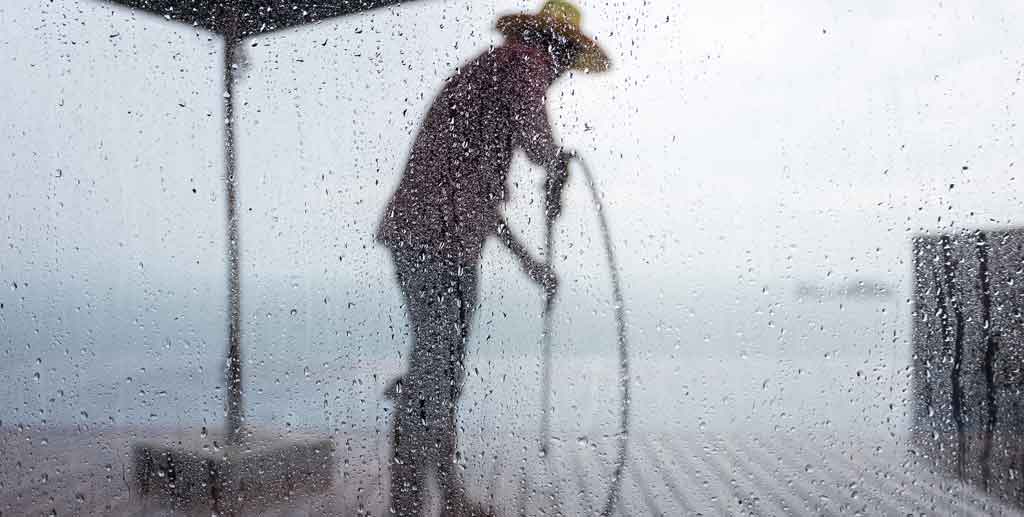
Pressure washing is an efficient method for cleaning various surfaces around your home or business. However, the weather can sometimes be unpredictable, leading to questions about whether it’s safe and effective to pressure wash in the rain. In this article, we will explore the topic and provide you with valuable tips and precautions to consider when facing inclement weather while pressure washing.
Pressure Washing in the Rain: Is it Safe?
Pressure washing in the rain is not recommended for several reasons. First and foremost, water and electricity are a hazardous combination. Operating a pressure washer in wet conditions increases the risk of electrical shock, which can be life-threatening. Moreover, rainwater can dilute the cleaning solution and reduce its effectiveness, requiring more time and effort to achieve desired results.
Precautions When Pressure Washing in the Rain
If you find yourself needing to pressure wash in the rain due to time constraints or urgent cleaning needs, it’s essential to take specific precautions to ensure safety and efficiency:
- Protect Yourself
Always prioritize safety when pressure washing in the rain. Wear appropriate protective gear, such as rubber boots, gloves, and safety goggles. This will help prevent accidents and injuries while working in slippery conditions.
- Avoid Electrical Hazards
Keep the pressure washer and all electrical components away from puddles and wet areas. Use a ground fault circuit interrupter (GFCI) to reduce the risk of electric shock. Additionally, ensure that all extension cords and outlets are properly protected from moisture.
- Adjust Pressure Settings
Lower the pressure setting on your pressure washer when working in the rain. High-pressure settings can lead to more runoff and make the area even more slippery. Adjusting the pressure will help you maintain better control and reduce the risk of accidents.
- Use the Right Cleaning Agents
Choose cleaning agents specifically designed for wet conditions. These products are formulated to work effectively in rain and can help you achieve the desired results without compromising safety.
- Plan Your Work
Plan your pressure washing tasks carefully and prioritize areas that are less affected by the rain. Avoid pressure washing surfaces that can become excessively slippery, such as steep slopes or elevated platforms.
While pressure washing can be an excellent way to clean various surfaces, it’s essential to exercise caution when considering pressure washing in the rain. Safety should always be a priority, and following the precautions mentioned above can help minimize risks. In most cases, it’s advisable to wait for favorable weather conditions to ensure a safe and effective cleaning process.
If you reside in the Dallas and Fort Worth area and require power washing in Royse City, TX, consider reaching out to reputable providers who can handle your cleaning needs efficiently and safely, rain or shine. These professionals have the expertise and equipment to deliver exceptional results while adhering to the necessary safety precautions.
Remember that your safety and the safety of others should never be compromised when using power washing equipment, especially in challenging weather conditions like rain. Stay informed, take precautions, and enjoy the benefits of a clean and well-maintained property.
Contact us today!
Frequently Asked Questions:
FAQ 1: Can you pressure wash in the rain?
It is not recommended. Rain increases the risk of electrical hazards and can reduce the effectiveness of the cleaning process.
FAQ 2: Is it dangerous to use a pressure washer in wet weather?
Yes. Wet conditions can increase the chance of slips and electrical shock. Always follow safety precautions if rain is unavoidable.
FAQ 3: Does rain affect pressure washing results?
Yes. Rain can dilute cleaning solutions and make it harder to remove dirt and stains, leading to less effective results.
FAQ 4: What safety tips should I follow if I must pressure wash in the rain?
Wear protective gear, use a GFCI outlet, keep electrical parts dry, lower the pressure setting, and avoid slippery surfaces.
FAQ 5: Should I wait for better weather before pressure washing?
Yes. Dry weather provides safer working conditions and helps achieve better cleaning results. If the job is urgent, consider hiring a professional with the right equipment and experience.