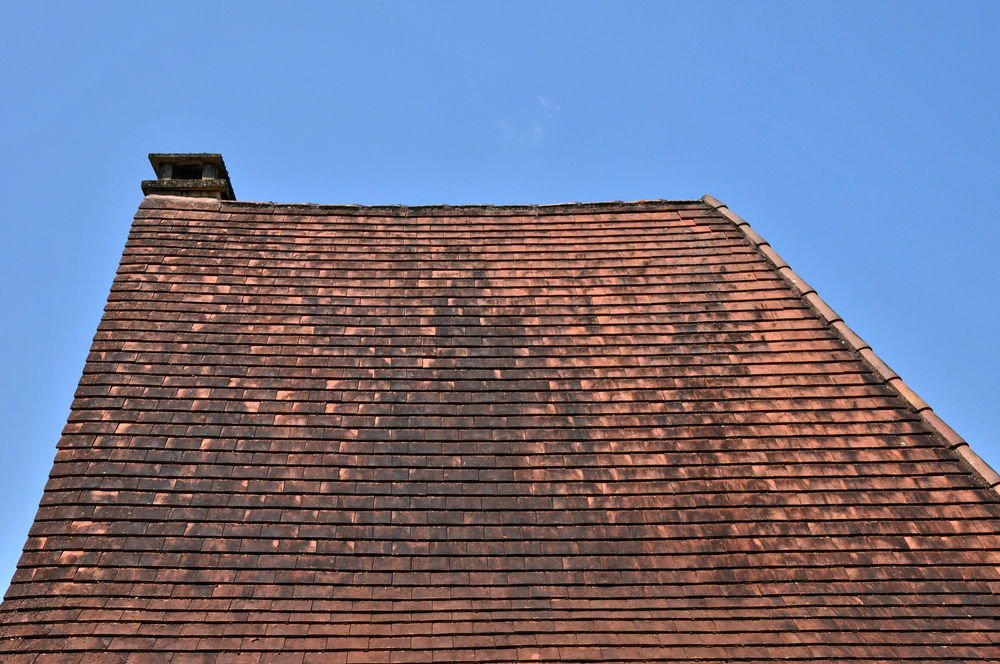
Black streaks on a roof are commonly caused by a cyanobacterium called Gloeocapsa magma, which can grow on asphalt shingles and create dark discoloration. The appropriate way to address these streaks depends on the roofing material, its condition, and the cleaning method used. Before attempting to remove them, identify the likely cause and avoid cleaning methods that could damage the roof or create a safety hazard.
What Causes Black Streaks on a Roof?
Black streaks often develop when algae-like growth accumulates on roofing surfaces. On asphalt shingles, Gloeocapsa magma is a common cause of dark discoloration. These marks can spread across the roof and become especially noticeable on lighter-colored shingles.
Several conditions may encourage this growth:
- Moisture: Rainfall, humidity, and damp surfaces can create favorable conditions for biological growth.
- Shade: Areas shaded by trees or nearby structures may stay damp longer, potentially encouraging growth.
- Roof materials and exposure: Different roofing materials and surface conditions respond differently to moisture and environmental exposure.
Not every black mark indicates algae or roof damage. Dirt, runoff, moss, and other forms of discoloration can also affect a roof’s appearance. If the staining is unusual or appears alongside visible deterioration, a closer inspection can help determine the cause and appropriate next step.
Can Black Streaks Damage Your Roof?
Black streaks caused by algae are generally considered a cosmetic concern on asphalt shingles. However, discoloration alone cannot establish the overall condition of a roof. Other growth, aging materials, or existing roofing defects may require attention.
Look for additional warning signs, such as:
- Missing, cracked, curled, or lifted shingles.
- Significant moss growth or accumulated debris.
- Visible shingle granule loss or deteriorating roofing materials.
- Water stains inside the property, active leaks, or persistent moisture around roof structures.
These signs do not necessarily mean algae caused the problem. They may indicate a separate roofing issue that needs professional assessment. If you notice leaks or damaged materials, arrange a roof inspection rather than relying on cleaning to resolve the issue.
How Can You Remove Black Streaks Safely?
If you’re researching how to clean black streaks off roof surfaces, start by identifying the roofing material and checking the manufacturer’s maintenance recommendations. The appropriate treatment depends on the roof’s condition, the type of discoloration, and the cleaning method used.
Removing black streaks requires more than choosing a powerful cleaning method. The treatment should be suitable for the roofing material and follow the manufacturer’s care instructions. Although power washing in Royse City, TX can be appropriate for certain hard exterior surfaces, high-pressure washing should not automatically be used on asphalt shingles.
Why High-Pressure Washing Can Damage Shingles
High-pressure washing is generally unsuitable for asphalt shingles because it can dislodge protective granules, damage the shingle surface, and force water beneath roofing materials. A pressure-washing method that works for concrete or other hard surfaces should not automatically be used on a roof.
Avoid directing high-pressure water at asphalt shingles. Walking on a roof can also create a fall hazard and may damage fragile, aging, or already deteriorated materials.
How to Choose an Appropriate Roof-Cleaning Method
When considering how to remove black streaks on roof surfaces, remember that roof-cleaning products and techniques vary depending on the roofing material and manufacturer’s recommendations. Certain asphalt-shingle cleaning methods use a low-pressure application of an appropriate treatment rather than aggressive water pressure. However, no single method is suitable for every roof.
Before cleaning:
- Check the roofing manufacturer’s maintenance instructions.
- Choose a cleaning product specifically intended for the roofing material and follow its label directions.
- Protect nearby plants, landscaping, and other surfaces from cleaning products and runoff.
- Never mix cleaning chemicals or use unverified household mixtures.
- Avoid climbing onto steep, wet, slippery, or damaged roofs without appropriate training and safety equipment.
If you are unsure which treatment is appropriate, consult a qualified roofing or roof-cleaning professional. A professional Royse City power washing can assess the surface, recommend a suitable approach, and help determine whether cleaning is appropriate for the roof’s condition.
How Can You Prevent Black Streaks From Returning?
Preventive maintenance may help reduce conditions that encourage algae growth, although it cannot guarantee that black streaks will never return.
Keep gutters clear. Clogged gutters can interfere with drainage and contribute to moisture problems around roof edges. Inspect and clean gutters as needed, using safe access methods or professional assistance.
Manage overhanging vegetation. Where practical, trimming nearby branches can improve sunlight exposure and reduce the accumulation of leaves and debris. Tree work at height should be handled by someone with appropriate equipment and expertise.
Monitor the roof’s condition. Periodic visual checks from the ground can help identify new discoloration, accumulated debris, or visible deterioration. Arrange a professional inspection if you notice damage or have concerns about the roof.
Consider algae-resistant shingles when replacing a roof. Some roofing products are designed to resist visible algae growth. These features may help reduce staining, but they do not guarantee a stain-free roof. Ask a qualified roofing professional which materials are appropriate for your property.
Zinc or copper strips may also help inhibit algae growth under certain conditions. Their effectiveness depends on factors such as installation, roof design, and water runoff. They should not be considered a guaranteed solution for existing streaks.
For suitable hard exterior surfaces around a commercial property, power washing in Royse City may help address accumulated dirt and grime. The appropriate cleaning method depends on the surface material and its condition.
When Should You Call a Professional?
Professional assistance may be appropriate when the roof is steep, difficult to access, visibly deteriorated, or covered in extensive growth. It is also worth seeking advice when you cannot confidently distinguish algae staining from another roofing problem.
Before hiring a roof-cleaning provider, ask how the proposed method suits your roofing material, what precautions will protect the surrounding property, and whether the process follows the manufacturer’s recommendations. A qualified provider should be able to explain the treatment and its limitations.
If you are researching how to remove black streaks from roof shingles, avoid assuming that a pressure washer is the right solution. High-pressure cleaning can damage asphalt shingles, so consult the roofing manufacturer’s instructions or a qualified professional before choosing a treatment.
If the roof has active leaks, missing shingles, or other signs of damage, arrange a roofing assessment before proceeding with cosmetic cleaning. Cleaning cannot replace necessary repairs, and an inspection can help identify issues that may need attention first.
Frequently Asked Questions
What causes black streaks on asphalt shingles?
Black streaks are commonly caused by Gloeocapsa magma, a cyanobacterium that can grow on roofing surfaces. Moisture and shade may encourage growth, although other sources of discoloration are possible.
Can black roof streaks be removed without damaging shingles?
They may be removable when an appropriate cleaning method is used. The method should suit the roofing material and follow the manufacturer’s guidance. Aggressive pressure washing can damage asphalt shingles.
Is pressure washing safe for an asphalt shingle roof?
High-pressure washing is generally unsuitable for asphalt shingles because it can dislodge protective granules and damage the roofing surface. A cleaning method specifically appropriate for the material is safer than using high pressure.
How can I tell whether roof streaks are algae or another stain?
Algae commonly creates dark streaks across asphalt shingles, but appearance alone cannot confirm the cause. Dirt, runoff, moss, and roofing deterioration may also affect the roof’s appearance. Seek a professional assessment if the cause is unclear or damage is visible.
Can black streaks return after roof cleaning?
Yes. Algae may reappear when environmental conditions remain favorable. Appropriate maintenance and preventive measures may help reduce recurrence, but they cannot guarantee that the roof will remain free of discoloration.
When should I hire a professional?
Consider professional assistance if roof access is unsafe, the roofing material is fragile, the discoloration is extensive, or you are uncertain about the correct cleaning method. If you notice leaks or damaged shingles, arrange a roofing inspection before pursuing cosmetic cleaning.
Maintaining a Clean Exterior
Black streaks can affect a roof’s appearance, but addressing them safely starts with understanding their likely cause and assessing the roofing material. Avoid aggressive cleaning methods, follow manufacturer guidance, and have signs of damage evaluated before attempting cosmetic treatment. Hot Wash LLC provides commercial exterior-cleaning services, including building washing, concrete cleaning, and other power-washing applications.
Contact us today to learn more about its available exterior-cleaning options. Confirm that the specific surface and cleaning needs fall within the company’s current service offerings before scheduling.